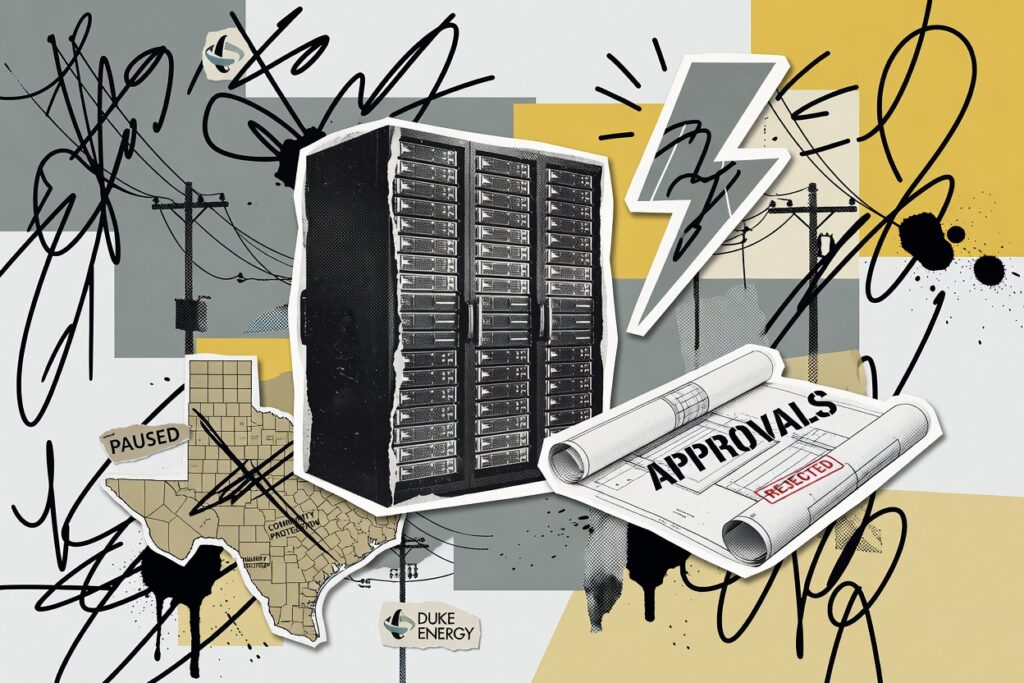
What matters for a Bitcoin miner planning an AI data-center conversion: power already approved, or power still awaiting a connection? In reporting dated November 6, 2026, that distinction shaped how analysts assessed miners and AI-hosting companies after U.S. midterm-election campaigns put data-center approvals under scrutiny.
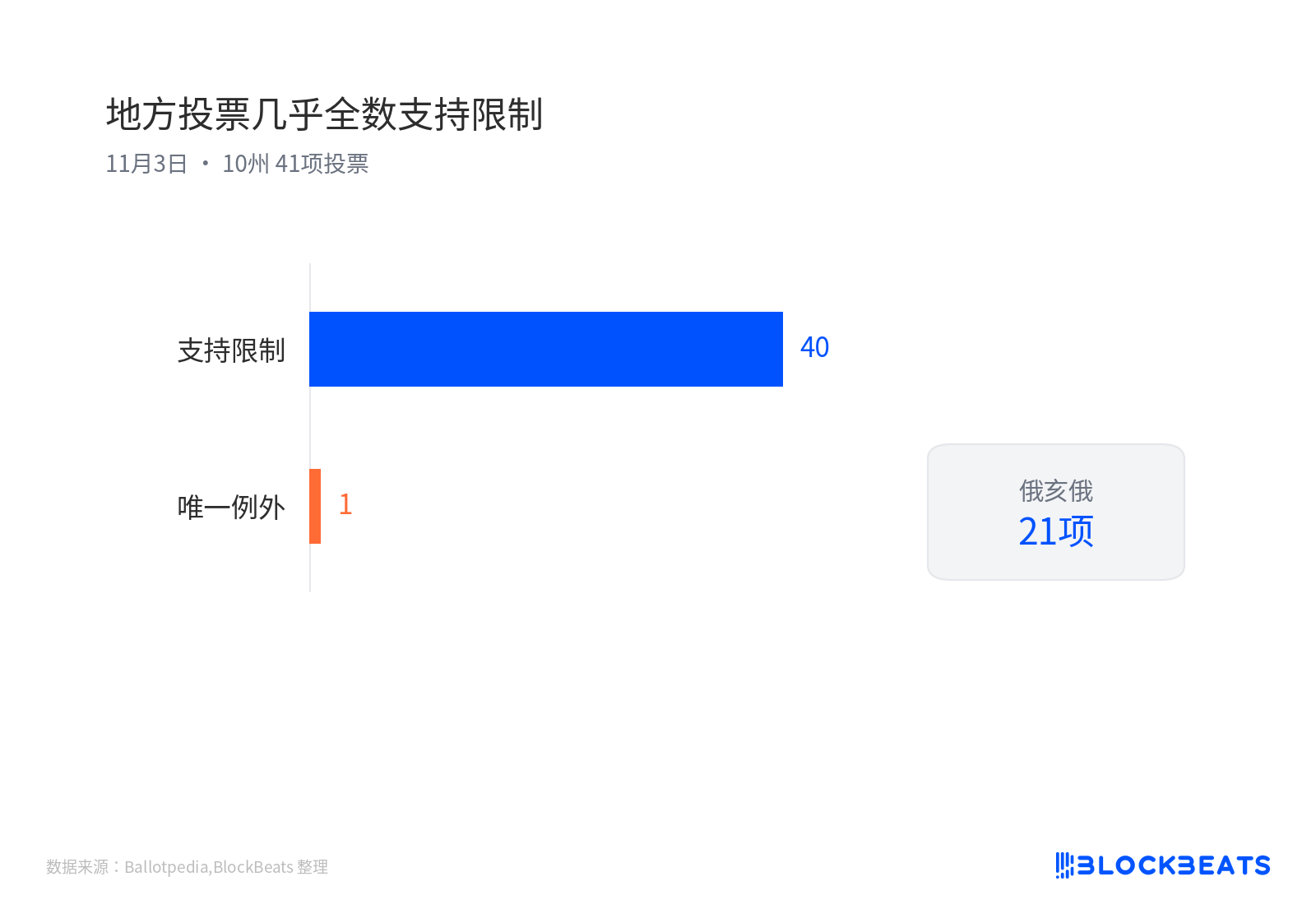
Candidates in states including Texas and Ohio had proposed restrictions on new projects. Texas state representative Gina Hinojosa pledged to pause new data-center approvals until the legislature passed community-protection measures; Ohio gubernatorial candidate Amy Acton also campaigned on limits. These were campaign positions, not enacted statewide pauses. At the time of the report, vote-counting and inauguration processes were unfinished, and the form of any executive action remained unknown.
Target prices fall, but approved power may gain value
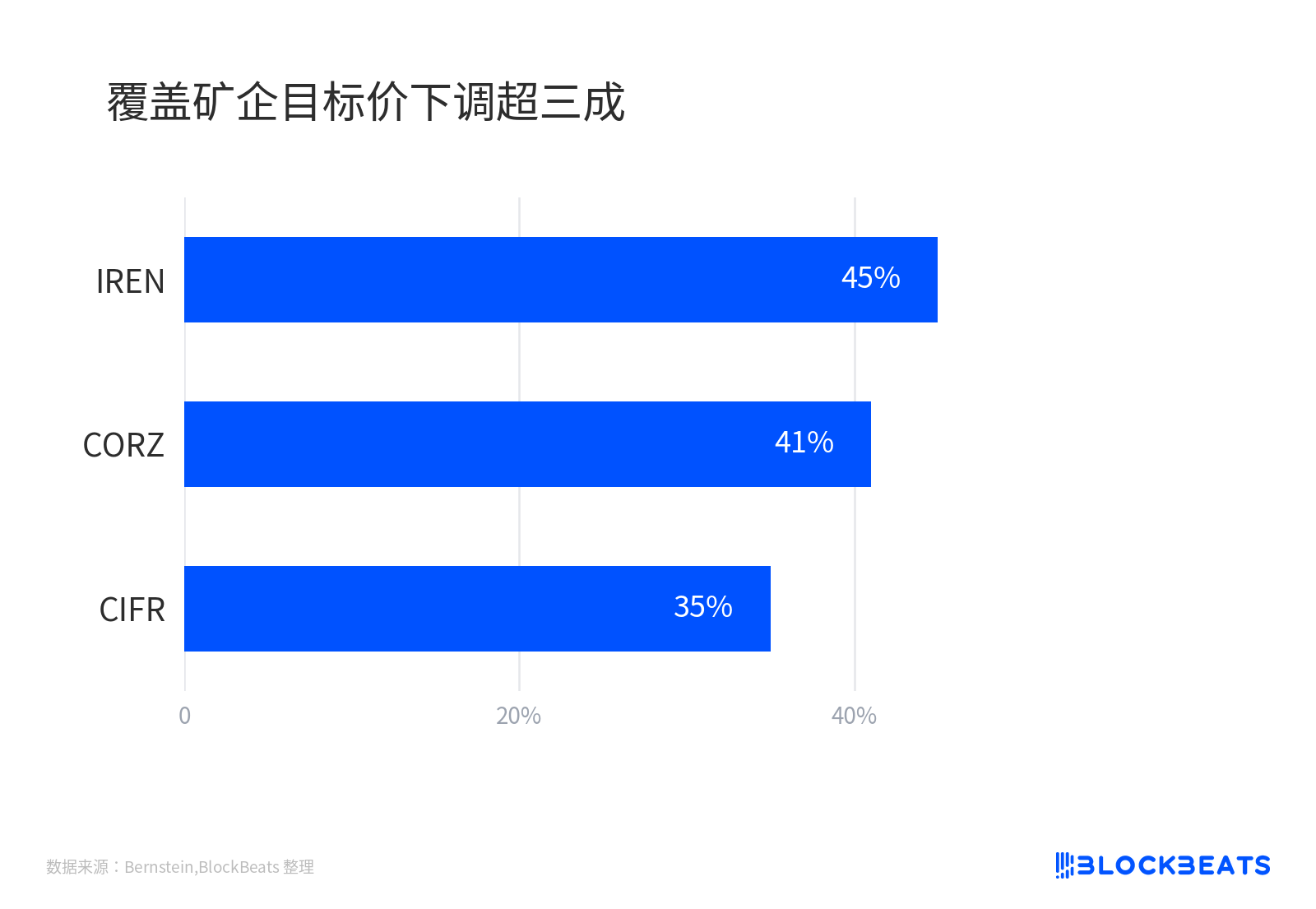
On November 4, Bernstein analyst Gautam Chhugani cut target prices for seven miners and AI-hosting companies by 35% to 54%, citing tighter financing and uncertainty in Texas. The reported changes included IREN from $100 to $55, Core Scientific (CORZ) from $32 to $19, Cipher Mining (CIFR) from $23 to $15, and MARA from $17 to $10.
The report also argued that gigawatt-scale power capacity these companies had already secured approval for could become scarcer and more valuable. That is not a forecast of higher mining returns. It separates a proposed facility still waiting for power from capacity that has cleared an approval hurdle—an important distinction for miners seeking to turn future electricity access into AI-hosting revenue.
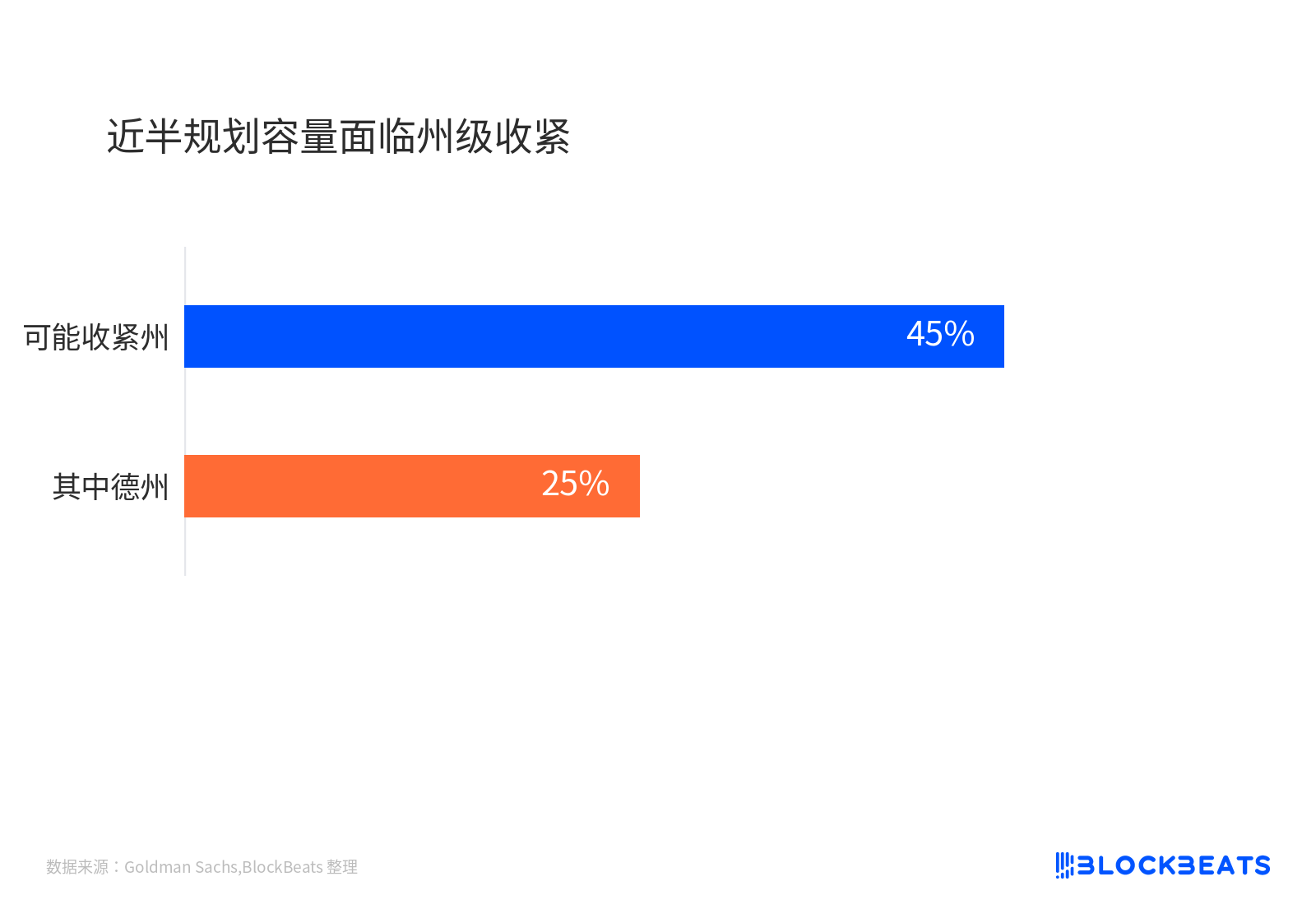
Other estimates measured exposure, not canceled capacity. A Goldman Sachs team estimated that states where rules might tighten accounted for about 45% of planned U.S. capacity, including roughly 25% in Texas. UBS estimated that about 30% of capacity additions planned for 2028 could be affected. BMI put about 53% of hyperscale pipeline growth in such states, while judging most 2027 construction schedules to be locked in and pressure more likely from 2028 onward.
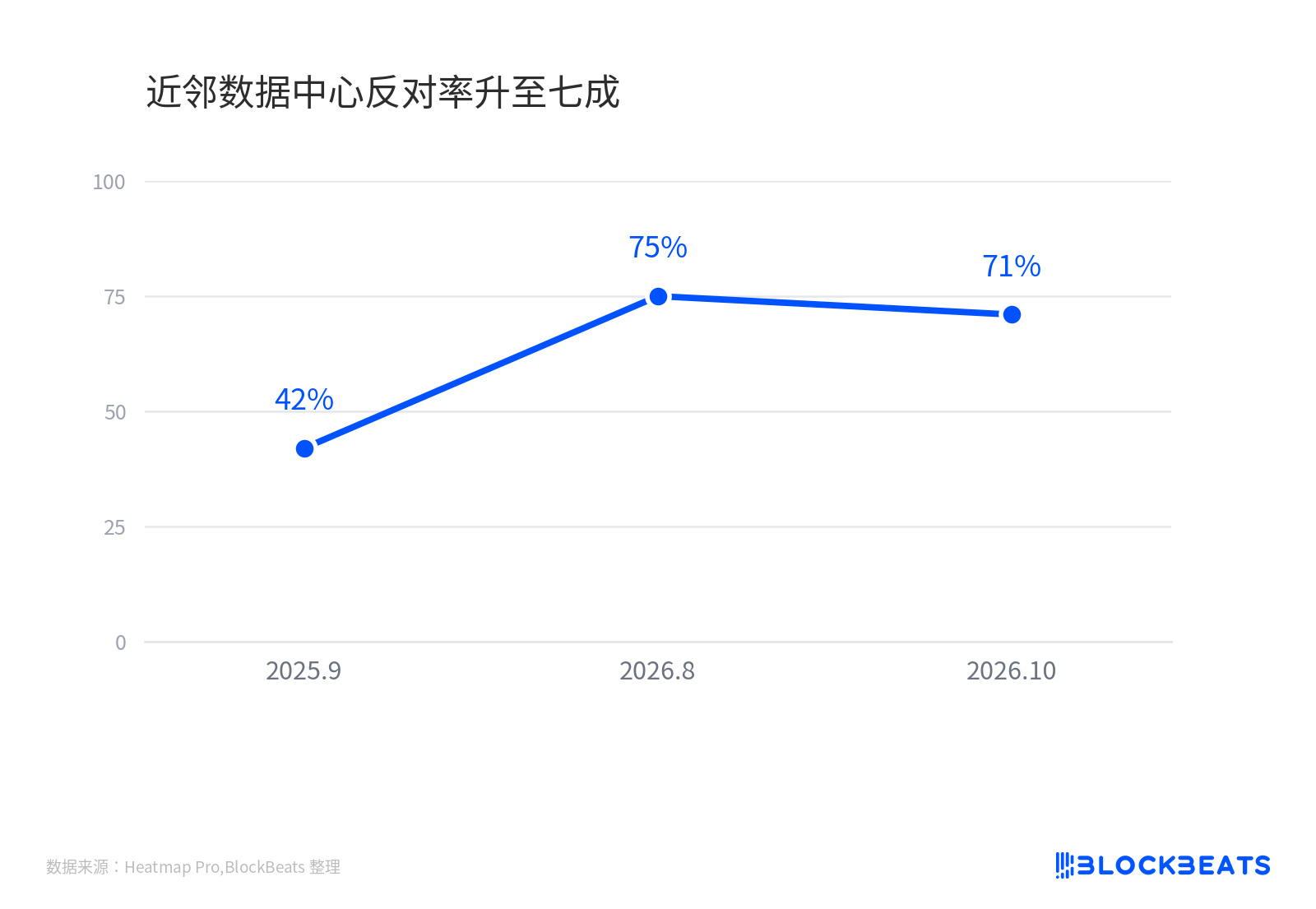
Local costs help explain the political pressure. An October Heatmap Pro poll cited in the report found that 71% of Americans opposed a data center near their home. The issues raised included who pays for electricity, water use, noise and project disclosure. A proposed pause on new approvals would not, by itself, shut existing facilities; its effect would depend on the rules ultimately adopted.
For mining operators, the near-term question is therefore operational rather than a change in Bitcoin’s network economics: whether a planned AI conversion can obtain permitted power and a grid connection, and on what cost terms. As of the November 6 report, the policy outcome—and any resulting change to project schedules—remained uncertain.