As of November 24, 2026, at 11:44 EST, Glassnode’s on-chain data showed that holders of a record 11.6 million BTC faced unrealized losses. Holder losses had nearly doubled in a week. Another 8.5 million BTC remained in profit, down from 8.6 million during the November 2022 collapse of FTX. The figures count coins, not holders, and do not represent losses realized through sales.
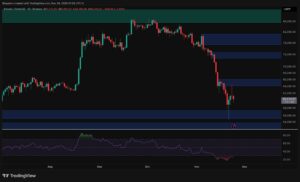
Bitcoin’s November 21 intraday low was between $55,106 and $55,254, its lowest price since September 2024. At that low, Bitcoin was roughly 56% below its October 2025 peak of about $126,000. Earlier bear markets saw deeper declines, ranging from 77% to more than 85%.
By November 24, roughly 411 days had passed since the peak, making this the longest downturn on record. Bitcoin had posted seven consecutive weekly declines, its second-longest losing streak. From about $86,500 in early October to around $61,000 in late November, the price fell about 29% in under two months.
US spot Bitcoin ETFs recorded billions of dollars in net outflows in November 2026. Separately, liquidations of leveraged Bitcoin positions totaled $2.7 billion in one 24-hour period.
Wallets holding 100 to 10,000 BTC began adding to their balances during the decline. Retail holders, by contrast, had predominantly been net sellers since Bitcoin fell below $80,000 earlier in 2026.