Who could coordinate a Bitcoin upgrade if AI made it possible to forge transaction signatures? That question divided venture capitalist Chamath Palihapitiya and Michael Saylor of MicroStrategy in a debate reported on November 28, 2026, at 20:30:09 (UTC+8). Neither cited a successful attack on Bitcoin.
In a November 27 essay, Palihapitiya’s venture firm, Social Capital, argued that AI could discover a mathematical shortcut that would let a thief forge a signature and spend someone else’s bitcoin. Bitcoin has no central authority that can order a change to its signature system. Palihapitiya considers it nearly impossible to get users to agree on an upgrade and said on the Moonshots podcast in October that a hack could drive bitcoin’s value to zero.
That was a reversal for Palihapitiya, who bought bitcoin at about $100 per coin, according to CNBC. In 2017, he predicted a price of $1 million and urged followers to allocate 1% of their wealth to bitcoin. As recently as August 2024, he was forecasting $500,000.
What the research showed
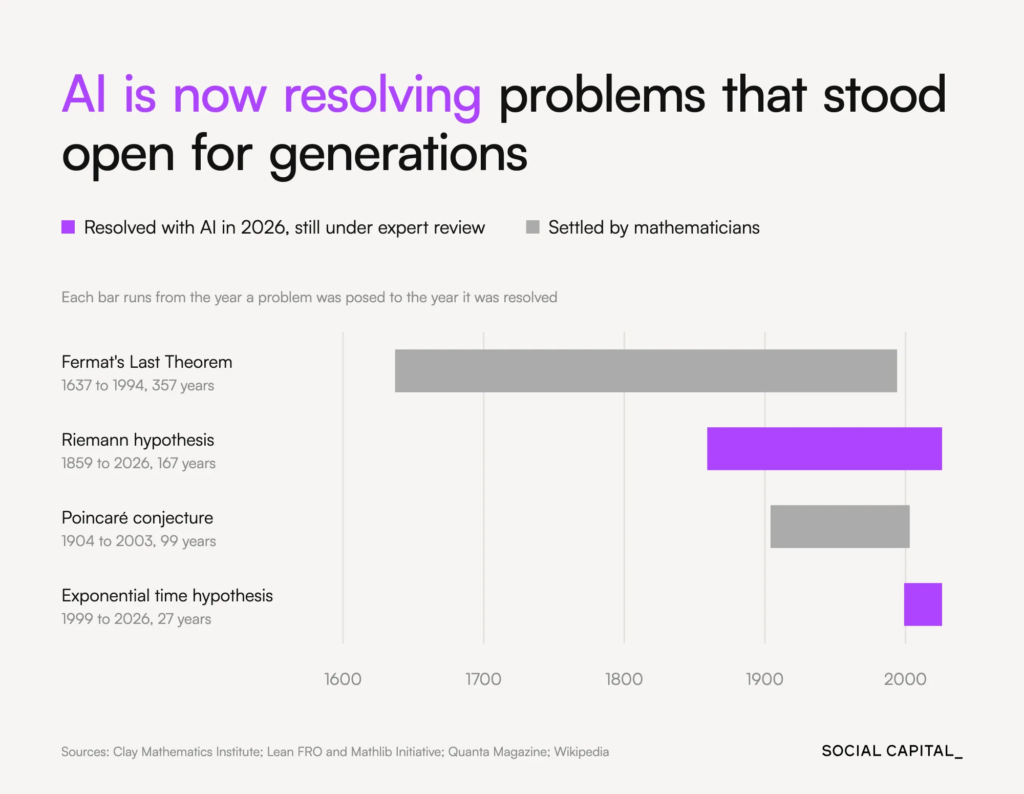
Social Capital pointed to AI-assisted proofs of the Riemann hypothesis and the exponential time hypothesis. Both were still under expert review when the debate was reported. The firm also cited a July 2026 result from Anthropic: its Claude model found a faster attack on a weakened version of a common cipher. Anthropic said the finding did not affect systems in use.

Why Saylor disputed the zero forecast
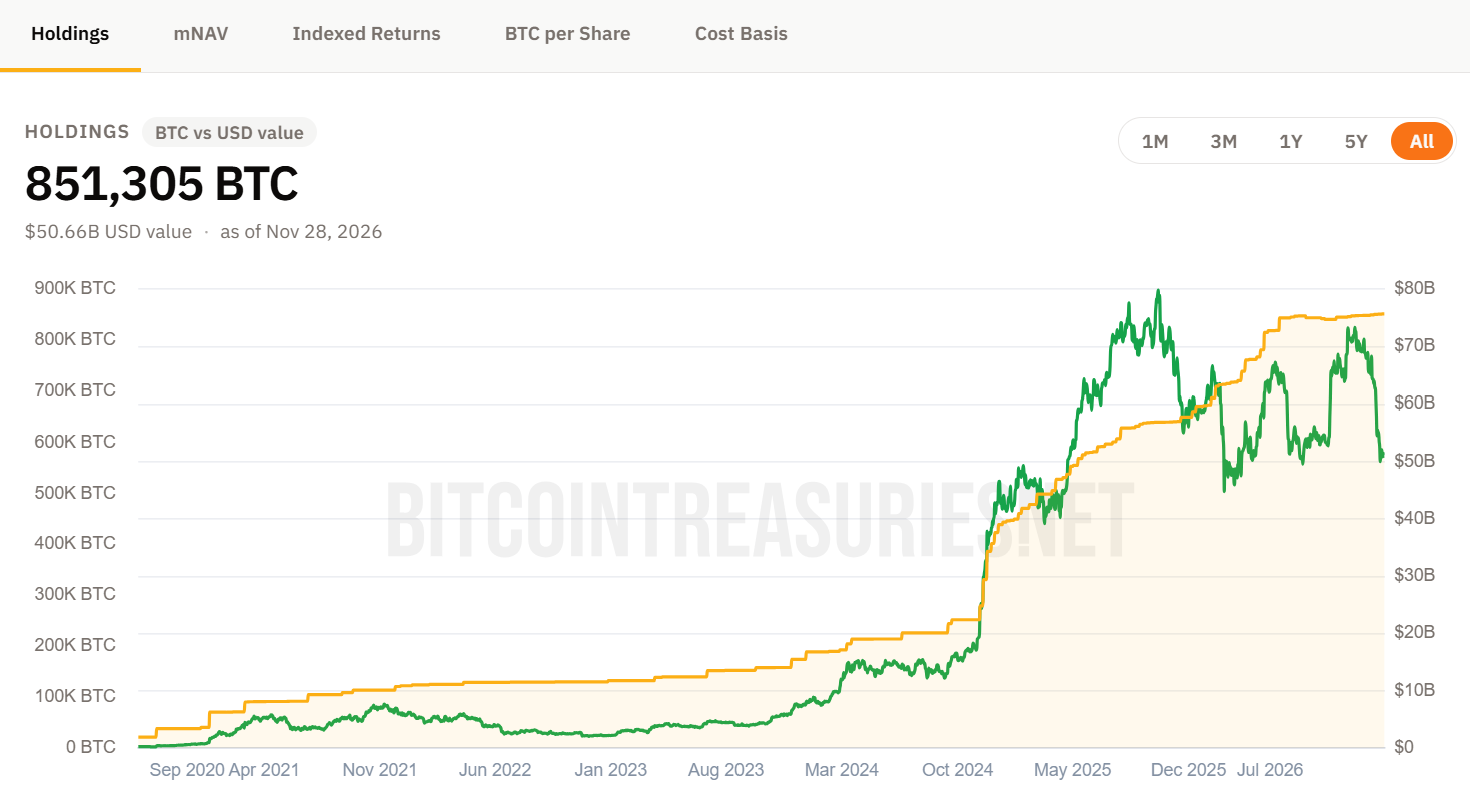
Saylor argued that a breakthrough capable of breaking encryption would threaten digital commerce broadly, not Bitcoin alone. In his view, the response would be to adopt next-generation encryption. His company, Nasdaq-listed MicroStrategy, held more than 850,000 bitcoin and had spent more than $63 billion buying bitcoin.
BitGo chief executive Mike Belshe made a similar distinction on November 28. He acknowledged that AI creates security work but rejected the inference that the possibility of new mathematics makes a system worthless. Applied consistently, he said, that reasoning would put banks, Signal, TLS, SSH, code signing and state secrets in the same category.
The Ethereum Foundation already ranked AI as a more urgent threat than quantum computing. For Bitcoin, the point of disagreement was whether users could agree on a replacement if the network’s existing cryptography became vulnerable.